
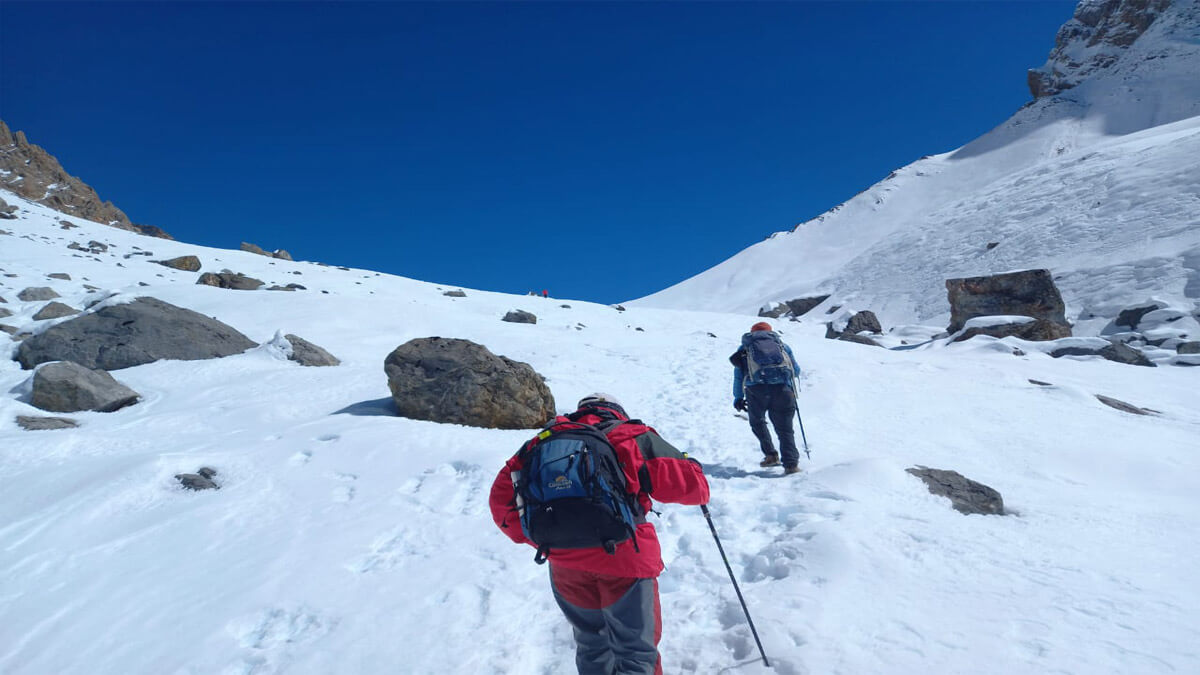
Trekking in the Himalaya, phrase Himalayas brings up a sense of magic. Even before I stepped foot in Nepal, the name evoked a feeling of mystery, adventure, and beauty. For years, I would want to walk the trails where climbers and explorers became legendary. Books, photographs, and stories portrayed soaring peaks, vibrant prayer flags, and communities where life was simple but strongly connected to nature. When the opportunity eventually presented itself, I knew I could not pass it up.
Arriving in Nepal, I was both nervous and eager. Kathmandu’s bustling streets, which combine history and modernity, served as my gateway to the mountains. As I prepared for the trek, I kept picturing the snow-capped peaks, the crisp mountain air, and the sensation of being so near to the highest points on earth. The call of the Himalayas was more than just adventure; it was about discovering something deeper, a connection with the world beyond the mundane.
This trek felt more like an invitation to find strength, simplicity, and wonder. The Himalayas had been calling me for years, and I was finally ready to respond.
Preparing for the Journey
Before heading for the trekking in the Himalayas, I understood that preparation was as vital as the trek itself. The mountains require respect, and I wanted to maximize my chances of appreciating each step. Physically, I spent weeks traveling great distances, climbing stairs, and doing light exercise to increase stamina. It was not about becoming the fittest person, but about training my body to withstand days of walking. Mentally, I reminded myself to prepare for the unexpected: weather changes, difficult hills, and times of tiredness.
Packing was its own experience. I carefully selected warm clothing, strong boots, and a nice sleeping bag, knowing that comfort and safety would be most important in the higher altitudes. The essentials, such as a torch, water purifier, and a few snacks, made me feel safe. As I zipped up my backpack, I felt both scared and eager, wondering if I was actually prepared. The preparation taught me that trekking in the Himalayas is more than just reaching a peak; it is about starting with the appropriate mindset.
Setting Foot on the Trail
The first day on the route brought a range of feelings. My boots were heavy, but the excitement in my heart was light. The trail stretched ahead, surrounded by majestic hills and forests that seemed to offer encouragement. Every step felt like I was entering a new world, one in which time paused and nature set the pace.
Meeting other trekkers provided warmth to the adventure. Some came from faraway countries in pursuit of the same dream: to see the Himalayas up close. We swapped stories, shared snacks, and laughed over minor inconveniences like slippery stones or unexpected rain. The guides and porters, with their calm determination, struck me greatly. They carried big loads with a smile on their faces, telling me that resilience may take the form of humility.
As I walked on, I understood the trek was not just about the scenery, but also about learning to appreciate simplicity: the rhythm of footfall, the thrill of reaching a teahouse, and the relief of a hot supper after a long day.
Walking Through Culture and Villages
The Himalayan villages were among the most memorable portions of my journey. Life here moved slowly, yet it was full of depth. Children waved as we passed, and their laughter echoed across the fields. Villagers greeted us warmly, frequently giving tea and basic food. Staying at teahouses afforded me a look into daily life: cooking on wood stoves, prayer flags flapping in the breeze, and residents speaking softly as they went about their business.
Food became a highlight. A warm bowl of dal bhat brought both energy and comfort. Sharing meals with other trekkers and locals reminded me of how food can bring people together, regardless of where they come from. Traditions emerged in modest but significant ways, such as monasteries hidden into hillsides, prayer wheels spun by passing hands, and chanting echoing from temples.
These connections to culture gave the trek a richness that no mountain view could match. They reminded me that the Himalayas are more than simply a wilderness; they are home to people who live with grace and perseverance in one of the world’s most challenging environments.
Nature’s Spectacle: Mountains, Rivers, and Forests
Trekking in the Himalaya, While culture moved my emotions, nature overpowered my senses. Every day felt like walking into a masterpiece. Rhododendron trees spread out into huge valleys, and rivers glittered as they flowed down from glaciers. Birds sang unseen in the trees, and I occasionally saw yaks grazing calmly on the slopes.
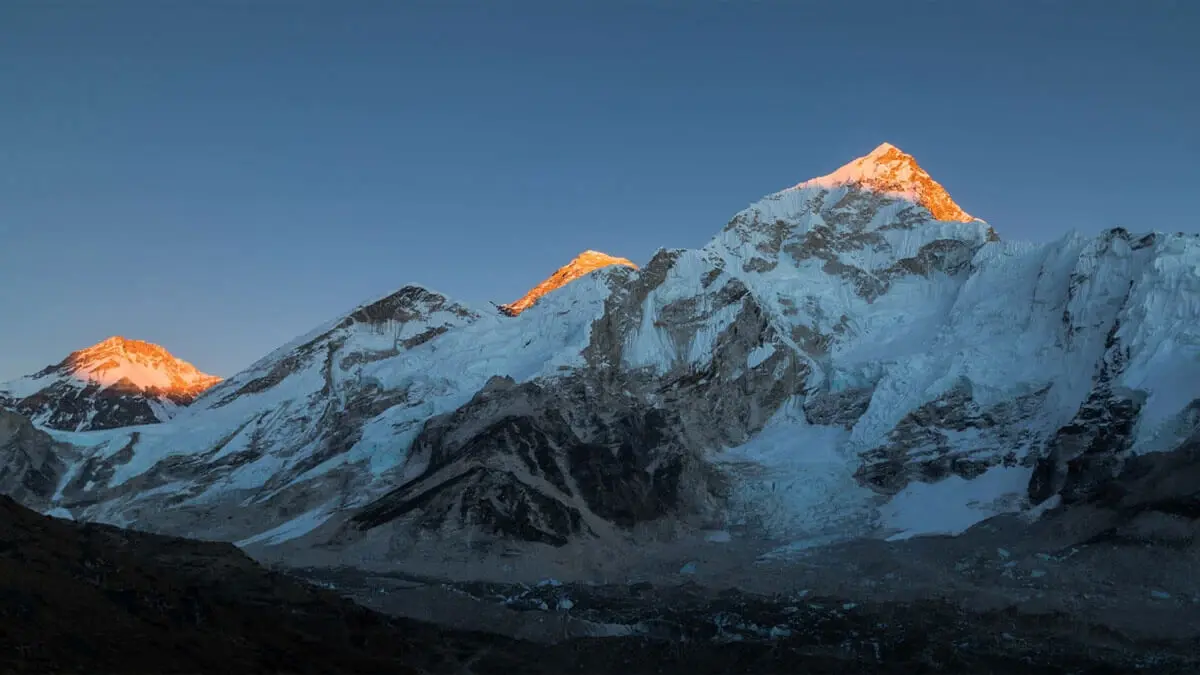
The mountains themselves were beyond description. Early mornings provided golden sunrises, which painted the peaks in pink and orange. Sunsets frequently illuminated the snow, as if the peaks were alive. I found myself stopped frequently, not from exhaustion, but from astonishment. No snapshot could possibly convey the magnitude or stillness of those times.
The Himalayas taught me to pay attention to the details: the sound of boots crunching on gravel, the crisp air in my lungs, and the shadows of clouds moving across mountains. Walking through such amazing scenery was more than simply a trek; it was a pleasure.
Challenges Along the Way
No Himalayan trek is without its challenges, and my trip was no different. As the trail rose in elevation, the first true hurdle emerged. Each step seemed heavy, and the air got considerably thinner. Breathing became a conscious effort, and even minor slopes felt like severe hills. I recall waking up one night, gasping, my heart racing quicker than normal. It was the mountain reminding me of its might and urging me to move with caution and patience.
The cold was another ongoing challenge. Temperatures plummeted as the sun set, and I found myself layering every article of clothes I owned. Some mornings, the water in my bottle had frozen, so I had to warm it in my hands before drinking it. Surprisingly, these problems actually enhanced the experience. They helped me appreciate the warmth of a teahouse fire, the comfort of hot soup, and the quiet strength of fellow trekkers dealing with their own difficulties.
What I discovered was simple: the Himalayas do not give themselves away easily. They require effort, resilience, and humility. And in exchange, they provide beauty that feels even more valuable because you worked so hard to notice it.
Moments of Connection
Despite the physical struggle, my heart opened to folks I had only recently met. There was something about the route that eliminated barriers. Conversations were genuine, and laughing came easily, mostly caused by the simplest of things. A shared food, a comical stumble, or a beautiful vista left us all speechless.
The guides and porters became more than just companions; they were the soul of the experience. I recall a porter lugging a burden twice his size, smiling kindly and saying, “Bistari, bistari” slowly, slowly. His words remained with me. They were talking about life in general, not simply trekking.
Tea houses provided another opportunity for connection. Evenings frequently transformed into peaceful gatherings around a stove, where individuals from many countries told stories in the faint light of lanterns. In those moments, I felt a sense of closeness that extended across borders. We were all on the same journey, facing the same mountains and learning from the same environment.
Reaching the High Point
Few experiences can match standing near the big Himalayan peaks after days of walking. For me, reaching the summit was more than just altitude; it was also about emotion. My body was fatigued, and my legs were heavy, but my spirit felt lighter than ever.
When I eventually got to the viewpoint, the mountains appeared before me, silent and spectacular. The peaks rose like guardians of the sky, blazing gold as the morning sun kissed their tips. I recall tears welling up in my eyes, not from weariness, but from an overpowering sense of joy, gratitude, and surprise.
At that point, the difficulties fell away. The thin air, the cold nights, the weary muscles all of this seemed insignificant in comparison to the magnitude of what lay before me. I discovered that the adventure was not about conquering mountains, but about discovering my own strength, patience, and ability to think.
Reflections on the Return Journey
Walking back down the trail seemed different. The speed eased, the air thickened, and my body appeared relaxed. However, my mind was busier than ever, processing everything I had seen and felt.
The Himalayas had taught me lessons I didn’t expect. I discovered that slowing down was not a weakness, but rather a necessity. I realized that true strength frequently manifests itself in quiet persistence rather than showy gestures. I discovered that beauty is most powerful when gained through hard work and struggle.
As villages and forests returned to view, I found myself cherishing the simple moments a child’s grin, the aroma of pine, the sound of prayer flags flapping in the breeze. I knew the journey was over, but the adventure within me had just begun. Those peaks would live in my memory, guiding me long after I came home.
Conclusion
Trekking in the Himalayas left a lasting impact on me. Every step along the road taught me patience, courage, and gratitude. Standing beneath towering peaks, I realized how small we are yet remaining connected to nature’s power and beauty. The bonds that were formed, the experiences shared, and the challenges overcome all contributed to an experience that is difficult to describe. Even after returning home, the images of daybreak over snowy hills and prayer flags flying in the wind continue to inspire me. For anyone looking for a life-changing journey, I recommend planning with Nepal Trekking Routes.

Leave a Reply