
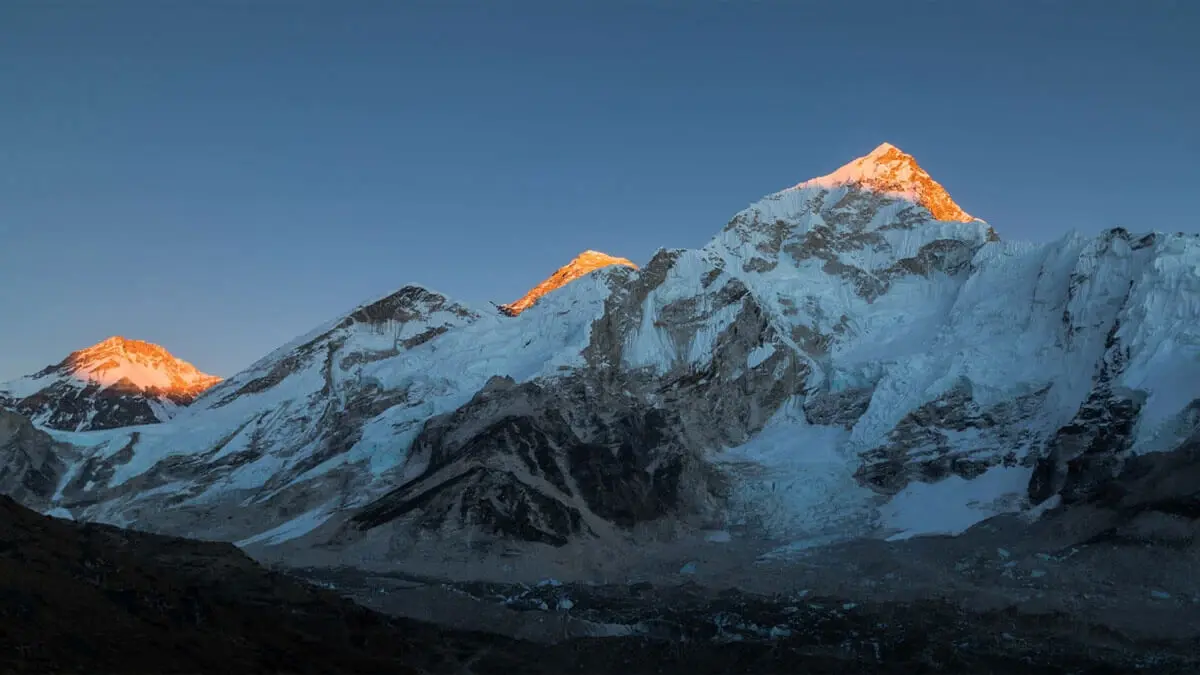
People often picture the world’s tallest mountain and the courageous climbers when they hear the name “Everest.” There is a large and stunning area with deep valleys, snow-capped mountains, and little Sherpa communities brimming with culture and friendliness. The popular Everest region is a journey of adventure, self-discovery, and breathtaking beauty rather than merely a place to visit. Ancient monasteries, vibrant prayer flags, and enormous mountains are just a few of the views that await you as you travel through this Himalayan beauty.
Expert climbers are not the only ones who can trek in this area. There are many of paths here that are suitable for beginner and intermediate trekkers. There are opportunities to walk amid giants without the need for ropes or specialized equipment. There is something for everyone, whether your goal is to reach Everest Base Camp or simply enjoy the mountain vistas from a quiet village.
From this article, you will learn about the popular Everest region treks, including the best routes, when to go, how difficult they are, and how to make your journey enjoyable and safe. This is the ideal spot to begin organizing your incredible journey if the Himalayas are on your bucket list. Here are some of the most popular treks of the Everest region:
Everest Base Camp Trek
The Everest Region’s most well-known trek is this one. It transports you to Mount Everest’s base camp. This means that even though you will not reach the summit, you will be where true climbers start their epic journey.
You will cross swinging bridges, walk through lovely forests, and rest at Sherpa communities such as Tengboche and Namche Bazaar. You will pass yaks, prayer flags, and happy locals along the route. The vista of Mount Everest is breathtaking, particularly from Kala Patthar.
It typically takes 12 to 14 days to complete this expedition. Although it is difficult, a lot of individuals accomplish it each year. You should take it gently, stay hydrated, and get enough sleep. It is even better with a porter and guide.
Gokyo Valley Trek
The Gokyo Valley Trek is a fantastic option if you want to visit lovely lakes without having to deal with the more crowded paths. This trek leads you to a serene valley with glistening blue lakes rather than directly to Everest Base Camp. Perched high in the mountains, these lakes shine like precious stones.
Climbing Gokyo Ri, a hill with one of Nepal’s best vistas of the mountains, is the trek’s high point. Everest, Lhotse, Makalu, and Cho Oyu are the four enormous mountains visible from the summit. That would be equivalent to seeing all of the world’s tallest mountains at once!
The trek is quiet and peaceful and it takes ten to twelve days. You’ll meet friendly people and enjoy some of the best nature in Nepal.
Everest Gokyo Cho La Pass Trek
Those who want a little bit of everything should go on this excursion. You get to see the icy mountain pass known as Cho La, the large mountains close to Everest, and the stunning lakes of Gokyo.
This Everest Gokyo Lake Cho La Pass trek journey connects the Everest Base Camp journey and the Gokyo Valley Trek. You go to the Gokyo Lakes first. After that, you traverse the snow-capped, high Cho La Pass. You then take the traditional path and walk to Everest Base Camp.
This trek can take 16 to 18 days because it is longer and involves more climbing. The adventure is vast, but it is more difficult! It is similar to taking two fantastic treks in one journey.
Everest View Trek (Short and Scenic)
Not a lot of days? Do you want to see Everest without really climbing it? The Everest View Trek is ideal for you in that case. It is short, simple, and beautiful.
It typically takes five to seven days to complete this trek. After walking to Namche Bazaar, you arrive at Khumjung village. You can see Mount Everest and other peaks clearly from there. Another option is to go to the well-known Everest View Hotel, where guests sip tea while admiring the mountains.
Families, senior trekkers, and anyone looking for a taste of the Everest region without a strenuous walk would love this trek. It is tranquil, safe, and still incredibly thrilling.
Three Passes Trek (Challenging and Rewarding)
This is the trek for you if you enjoy adventure and are up for a challenge! One of the most difficult and lengthy treks in the Everest region is the Everest Three Passes Trek. However, it is also among the most beautiful.
Kongma La, Cho La, and Renjo La are the three high mountain passes you will cross. You may see breathtaking vistas of glaciers and snow-capped mountains from each pass. In addition, you will see numerous Sherpa villages, Gokyo Lakes, and Everest Base Camp.
The duration of this expedition is 18 to 22 days. You must be ready and strong. But it is well worth it if you enjoy a great adventure. At the end, you will feel happy and proud.
Pikey Peak Trek (Off-the-Beaten Path)
Do you want to visit a place with less visitors? Take a walk up Pikey Peak! Despite not being as well-known as the others, this trip is charming.
Pikey Peak trek is a hill that offers one of the greatest views of Mount Everest at sunrise. The first person to conquer Everest, Sir Edmund Hillary, even declared it his favorite vista!
This is a shorter trek, lasting roughly 6 to 8 days. You will pass through tiny farms, villages, and forests. It is a fantastic way to experience alpine native life. You will feel in tune with nature on this peaceful walk.
Everest Base Camp Trek with Island Peak Climbing
For those who enjoy both trekking and mountain climbing, the Everest Base Camp Trek with Island Peak Climbing is ideal. You get the best of both worlds with this experience. You start by trekking the well-known route to Everest Base Camp. You pass tiny Sherpa villages, traverse swinging bridges, and walk through lush forests. Large mountains like Everest, Lhotse, and Ama Dablam are visible along the route. It is a lovely and thrilling walk.
The adventure becomes even more exciting after you arrive at Everest Base Camp and witness the majestic Khumbu Glacier. You travel to Island Peak, one of Nepal’s most visited trekking destinations. Because it resembles an island in a sea of ice, it is known as Island Peak. You ascend to the summit with the aid of your guide, ropes, and specialized equipment. It is difficult, but it feels great to reach the top. All around you are 360-degree views of snow-capped mountains.
Those who are in good shape and up for a thrilling adventure should go on this adventure. It mixes the excitement of climbing a genuine Himalayan peak with the beauty of the Everest path.
Why People Love Trekking in Everest Region
Walking in the Everest Region is a dream come true for many people from all over the world. Why? Because there are so many wonderful things in it! Mount Everest, the world’s tallest mountain, is seen! In addition, you will see waterfalls, cross swinging bridges, and walk through green forests. Along the trek, you will encounter friendly Sherpa people and witness yaks carrying goods.
The sky is clear, the air is clean, and the vistas are expansive and breathtaking. You will have the impression that you are walking on air! Buddhist monasteries, prayer flags, and carved stone walls are also popular sights. It has a very distinct and tranquil atmosphere.
This is not just a nature-based trek. It is also about making new connections, discovering mountain life, and feeling proud of yourself for walking in such an amazing and high region.
Everest Region Culture and People
The Sherpas are residents of the Everest Region. They are cheerful, friendly, and strong. For a very long period, they have resided in the highlands. Many Sherpas serve as porters and guides for trekkers. They know every path and are mountain masters.
Sherpas speak, dress, and eat differently. Buddhism is their religion. Numerous prayer flags, prayer wheels, and little temples known as monasteries will be visible. These places are peaceful and brimming with positive energy. There, monks in red robes reside and offer prayers.
Wood and stone make up Sherpa dwellings. There is usually a cozy fire inside. They greet guests with a grin and tea. Additionally, you can taste Sherpa cuisine such as “tsampa” (roasted flour) or “thukpa” (noodle soup). In addition to learning about the natural world, walking in the Everest Region teaches you about the people who coexist with the mountains daily.
What You Can See on the Trail
There is a lot to view while walking around the Everest Region. The primary stars are the large mountains. The tallest is Mount Everest, but other stunning mountains include Lhotse, Ama Dablam, and Nuptse. You will frequently pause and exclaim, “Wow!” at the scenery.
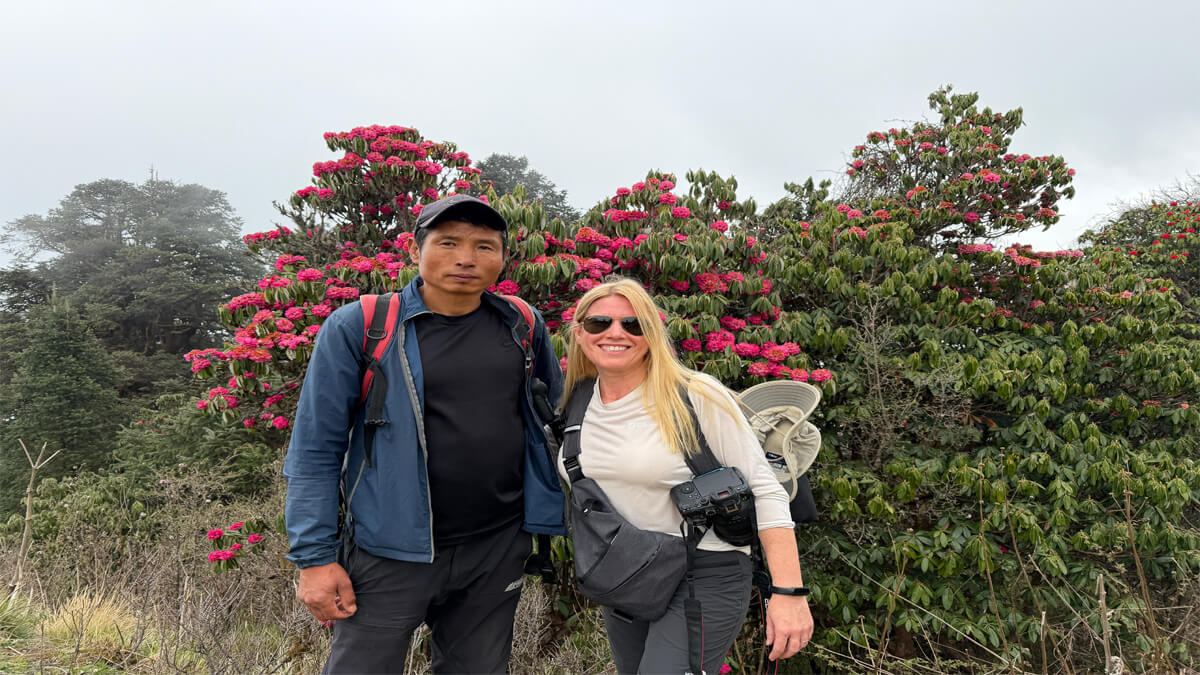
In the spring, you will stroll through rhododendron forests that are blooming with pink and red blooms. In addition, there are large boulders, rivers, and pine trees. Yaks, mountain goats, and even Himalayan pheasants are among the creatures you may encounter. You never know what you might see if you look around!
There are vibrant villages along the path. One of the largest is Namche Bazaar. It features a market, bakeries, and stores. You can also go to the serene Tengboche Monastery, which is surrounded by large mountains. There is something fresh and fascinating to view at every corner of the trail.
Food and Accommodation
You do not have to be concerned about where to sleep or what to eat while trekking to Everest. Along the walk, there are numerous teahouses, which are tiny lodgings. Trekkers can rest and eat in these modest yet comfortable locations. Hot food, a blanket, and a bed are available.
In the highlands, food is hearty and satisfying. You can eat pancakes, noodles, momos (dumplings), or dal bhat (rice with lentil soup). The cuisine served at most teahouses is the same and is always prepared fresh. To stay hydrated, you can also sip on warm lemon water, tea, or hot chocolate.
Typically, rooms are simple. A tiny table, two mattresses, and occasionally a lamp. You may have to use the same restroom. Although things are simpler up above, the view from your window is invaluable! Although the teahouses are simple, the staff is kind and always willing to assist.
Tips for First-Time Trekkers in Everest Region
Here are some suggestions to make your first walk in the Everest Region more enjoyable:
- Take it slow: Do not hurry. Take short pauses and walk at your own pace. It takes some time for your body to adjust to the thin air.
- Drink plenty of water: Being hydrated improves your mood in high altitudes.
- Do not overpack; just bring the essentials. Good shoes, a hat, gloves, and a warm jacket are essential.
- Observe your guide: Pay attention to your guide if you have one. They are familiar with the terrain and safety precautions.
- Be courteous and kind: When you meet someone, say “Namaste.” Treat locals and other hikers with courtesy at all times.
- Protect the environment by not discarding trash on the trail. Take your rubbish with you or use dustbins.
- Enjoy the scenery, snap photos, and smile a lot! You will always remember this journey.
Conclusion: Most Popular Trek in Everest Region
Trekking in the Everest region is a unique experience. You may walk through tiny villages, green forests, and towering mountains. You will encounter friendly Sherpa people and visit Mount Everest. It is a fantastic approach to discover new things and appreciate nature. Both short and long treks are available, so you may select the one that suits you the best.
If you need help organizing your trek, contact our excellent local business, Nepal Trekking Routes. We offer safe programs, good service, and friendly guides. We can plan a trip just for you and your group.
The Everest region is the ideal destination for those who enjoy hiking, mountains, and the outdoors.

Leave a Reply